Generator
Sustained building energy when the yes is actually felt in the body. Frustration can signal that something is being forced.
Human Design blends birth data, archetypal language, the bodygraph, type, strategy, authority, centers, gates, channels, and profile lines into a system for self-observation. Zodiacally treats it as reflective language: useful for noticing energy, decisions, relationships, and patterns without turning the chart into a rigid identity.
Human Design stays a reflection frame inside Zodiacally: useful for language, energy, and decisions, but never a label that locks you in.
Sustained building energy when the yes is actually felt in the body. Frustration can signal that something is being forced.
Fast, multi-directional energy. Not every detour is wrong - but not every spark needs a full commitment.
Reads systems and people with precision. Tends to guide better through recognition than through constant proving.
Initiates movement and needs space. Informing can reduce resistance without shrinking the original impulse.
Mirrors rooms and communities. Big decisions benefit from time, changing perspectives, and a non-rushed environment.
Authority is Human Design language for decisions that are not driven only by pressure, fear, or endless mental pros and cons. Use these terms as reflection prompts, not commands.
Centers describe where energy may be more consistent and where you may absorb more from the environment. Open is not weak. Defined is not better. They are different modes of perception.
Inspiration, questions, mental pressure
Thinking, concepts, opinions
Expression, voice, manifestation
Direction, love, sense of self
Willpower, value, commitment
Instinct, body intuition, safety
Life force, work, response
Emotion, waves, relationships
Pressure, drive, stress rhythm
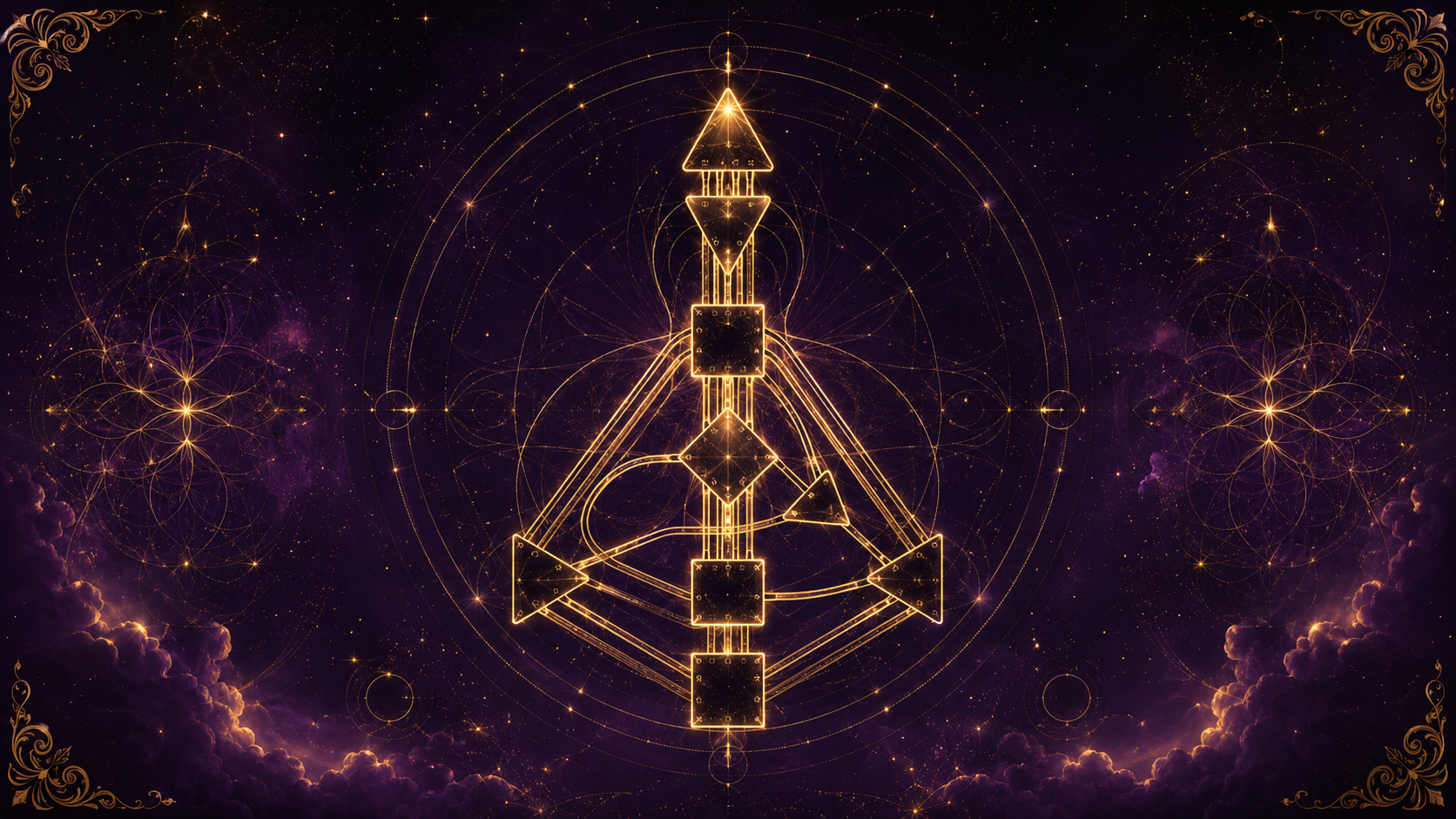
Human Design is a symbolic chart system built from your birth data. The bodygraph shows nine centers, defined and open areas, channels, gates, your energetic type, decision-making authority, profile, and life-theme language. It is best used as a mirror for reflection, not as a diagnosis or fixed destiny.
The five commonly used types are Generator, Manifesting Generator, Projector, Manifestor, and Reflector. Type describes how your energy tends to meet the world: responding, initiating, guiding, moving quickly through many interests, or sampling the environment with more lunar timing.
Strategy is the practical entry point for each type: respond, wait for invitation, inform before initiating, or give major decisions more time. It is not a rulebook. It is a pause button that helps you notice whether you are forcing, chasing, or moving with clearer inner alignment.
Authority is the chart language for decision-making. Emotional authority often needs time and clarity after the wave; sacral authority listens for a grounded yes or no; splenic authority can feel quiet and immediate; ego, self-projected, mental/projector, and lunar authorities use different forms of consistency, voice, environment, or time.
Defined centers are often described as more consistent patterns. Open or undefined centers may be more sensitive, adaptive, and influenced by context. The point is not to shame openness, but to ask: where am I steady, and where do I absorb the room?
Profiles combine two lines and describe a social/life-learning pattern: investigator, hermit, martyr/experimenter, opportunist/networker, heretic/problem-solver, and role model. A profile can make Human Design feel less abstract because it explains how you learn, connect, and mature.
Gates are smaller archetypal themes; channels connect centers and create stronger pathways in the chart. They add nuance after the basics. Start with type, strategy, authority, centers, and profile before trying to interpret every number at once.
In connection work, Human Design can highlight energetic chemistry: where two people amplify each other, where one person conditions the other, and where communication needs more patience. It should support better conversations, never decide whether a relationship is good or bad.
Zodiacally frames Human Design as a reflective companion next to astrology. The language should help users journal, compare patterns, and understand themselves more gently, while keeping agency, real-world judgment, and professional support where needed.